







Search Results for: Coffee Plantation Establishment
How to Raise Coffee Seedlings and Establish a Plantation? A Systematic Cultivation Guide from Propagation and Planting to Pruning and Fertilization
The flavor foundation of a good cup of coffee is laid the moment the seed touches the soil. This article systematically outlines the complete technical chain of coffee from seedling propagation to plantation management: seed collection and washing in seed propagation, nursery establishment, germination acceleration and transplanting, and seedling-stage care; the key operational points of cutting and grafting in asexual propagation; and then extends to coffee plantation site selection and planning, land clearing and field planting, shade tree configuration, single-stem and multi-stem training and pruning techniques, as well as soil management measures such as weeding and mulching, deep plowing and soil improvement, and irrigation and fertilization. For enthusiasts who wish to gain a deeper understanding of the logic of coffee cultivation and build a systematic awareness from origin to cup, this is a solid technical reference. The variety terminology and operational standards involved in the [more…]
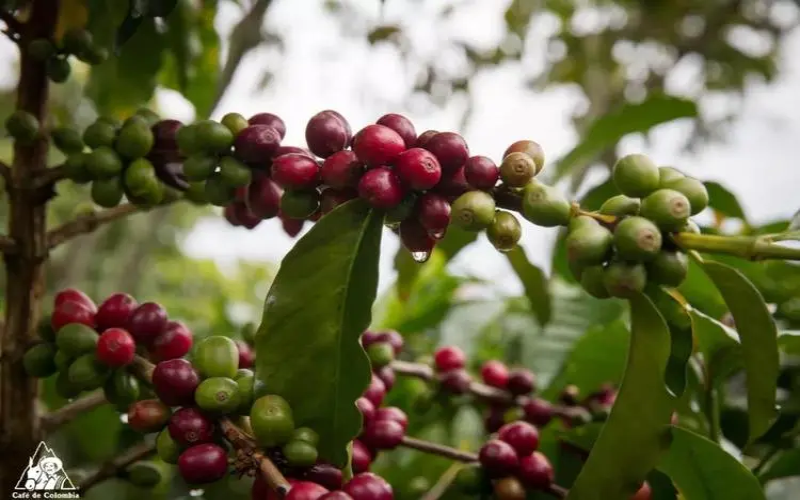
Colombia Santander Region Big Tree Estate Rose Valley Coffee Beans: Origin, Variety Characteristics, and Brewing Flavor Analysis
Colombia is located in northern South America, bordering the Pacific Ocean to the west and the Caribbean Sea to the north. The Andean region in the west has high altitudes, volcanic soil, and abundant rainfall, with diverse microclimates. It is recognized as a high-quality coffee-producing region and is the world's third-largest coffee producer. Coffee was introduced in the late 18th century by Jesuit priests among the Spanish colonists, and was first cultivated in the departments of Santander and Boyacá. The Santander producing region is located in the northern Andes Mountains of Colombia, at an altitude of about 1,400-1,700 meters. It is one of the earliest coffee-growing areas in Colombia, known for its strong flavor, long finish, and unique fresh herbal notes. Hacienda El Roble is a rare single-variety plantation in the area. The Front Street Colombia Rose Valley coffee beans sourced by Front Street Coffee come from this estate, using anaerobic enzyme washed processing and medium roasting, presenting flavors of rose, liqueur chocolate, berries, cranberries, and white peach. [more…]
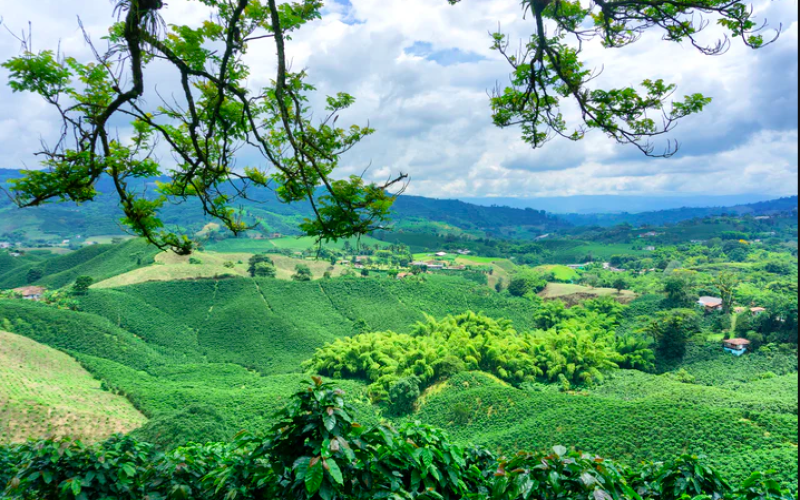
The Development History of Colombian Specialty Coffee and an Analysis of the Sidra Variety at Finca La Divisa in Huila
Colombia, as the world's third-largest coffee producer and the largest processor of washed Arabica, has a specialty-grade share of up to 40% in its coffee exports. From the establishment of the first experimental plantation by Don Mariano Ospina Rodríguez in the 19th century to the founding of the National Federation of Coffee Growers of Colombia in 1927, the Colombian coffee industry has undergone more than a century of development. In this article, Front Street will take you through this history, outline the characteristics of representative producing regions such as Huila and Cauca, and focus on Finca La Divisa in the Huila region and its Sidra variety—a coffee that has attracted much attention since being selected by Anthony Douglas, the 2022 World Barista Champion. What exactly makes it so uniquely charming? [more…]
Origins of Coffee Cultivation in Colombia and Analysis of the Sidra Variety: From Historical Evolution to Front Street Coffee's Hand-Brewed Flavor
Colombia is the world's third-largest coffee-producing country and the largest processor of washed Arabica, with specialty-grade beans accounting for 40% of its exports. From Don Mariano's establishment of the first experimental plantation in the 19th century, to the founding of the National Federation of Coffee Growers in 1927, and then to the emergence of the Sidra variety from specialty estates on the international stage, Colombian coffee has walked a path of specialization supported by smallholder farmers. In this article, Front Street Coffee provides a comprehensive overview of Colombian coffee, from its historical context and producing regions to the characteristics of the Sidra variety and the cultivation story of Finca La Divisa, along with Front Street's pour-over parameters and flavor description for Sidra coffee beans. [more…]
The Origin and Legacy of Ceylon Black Tea: James Taylor's Planting Legend and the Evolution of the Sri Lankan Tea Industry
Sri Lanka, formerly known as Ceylon, means "resplendent land." Even after the country was renamed in 1972, people still habitually refer to its local black tea as Ceylon black tea. The island's tea industry legend began more than two hundred years ago during the British colonial period, when Scotsman James Taylor opened the first commercial tea plantation at the Loolecondera Estate in 1867, after which Ceylon tea gradually made its way to the world. From the establishment of the Colombo tea auction to the founding of the Tea Research Institute, and from nationalization to privatization reforms, Sri Lanka's tea industry has undergone many changes and is now the world's fourth-largest tea-producing country, with annual exports of about 320,000 tons. This article traces the development of Ceylon black tea and recommends related products from Front Street Coffee, taking you through this unique piece of tea history. [more…]
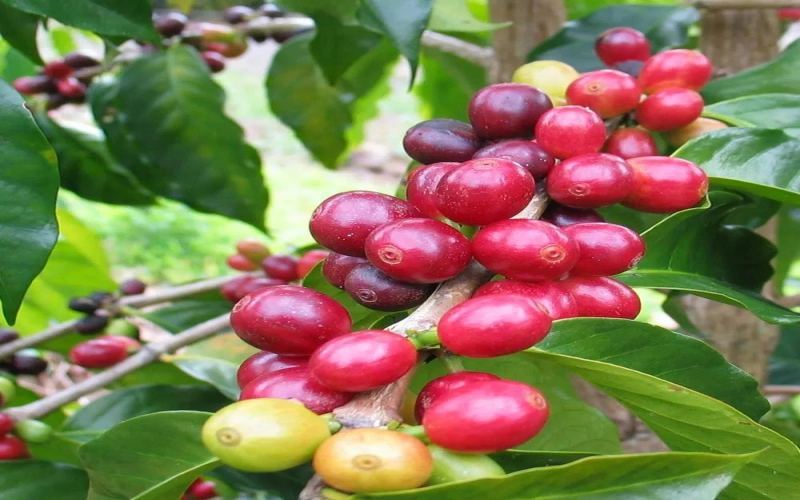
Ecuador Galapagos Islands Specialty Coffee: A Complete Analysis of the Flavor and History of the San Cristobal Region
In South America, Ecuador is one of the few countries that produces both Arabica and Robusta coffee beans. The country's finest coffee comes from San Cristóbal Island in the Galápagos Islands. This place has a unique maritime climate and volcanic soil, combined with freshwater streams rich in minerals, providing exceptional conditions for coffee cultivation. From the establishment of the Hacienda coffee plantation by Cobos in the 19th century to the expansion of cultivation by the González family, San Cristóbal coffee has gone through ups and downs, and today it is known for being organic and for its floral and fruity aromas with caramel sweetness. This article will take you on an in-depth look at the history and flavor characteristics of this producing region, along with brewing suggestions from Front Street Coffee. [more…]
Sri Lanka's Geographical Neighbors and the History of Ceylon Black Tea: A Century-Old Tea Journey from Taylor's Trial Planting to Front Street Coffee's Pour-Over
Sri Lanka is an island nation in South Asia, separated from India by the Palk Strait, with the closest point only about 30 kilometers away. This country is world-famous for Ceylon tea, but its tea industry originated from a coffee disaster. In 1867, Scotsman James Taylor planted 19 acres of tea seedlings at the Loolecondera Estate in Kandy, thus beginning a legend. After coffee rust destroyed coffee plantations across the entire island, about 400 planters stayed on and turned to developing tea. Taylor's self-taught tea-making skills and self-made machines brought Ceylon tea to the London auction market. Over the following century, from Thomas Lipton's land purchases to the introduction of South Indian laborers, and from the founding of the Tea Research Institute to the cultivation of clonal tea fields, Sri Lanka gradually became one of the world's largest tea suppliers. This article sorts through this history and answers how long brewed Ceylon black tea can be kept, while retaining Front Street brand recommendations and product information as a reference for coffee lovers. [more…]
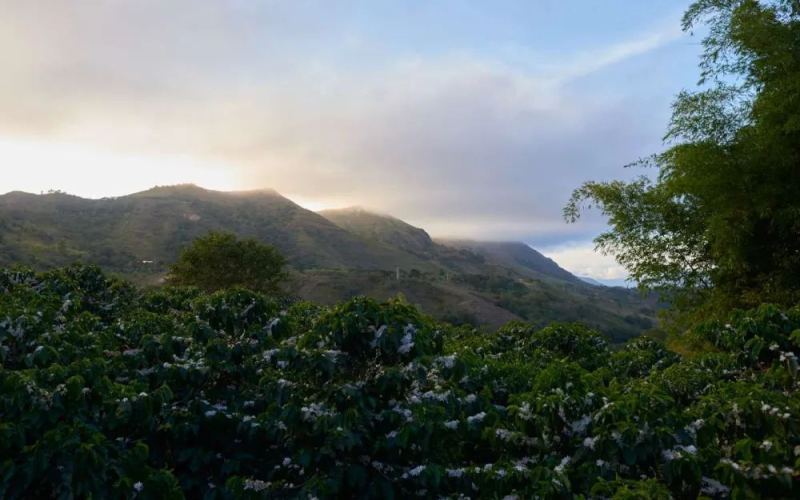
A Beginner's Guide to Washed Colombian Huila Coffee Beans: From Terroir to Caturra Variety Analysis
Colombia is the world's third-largest coffee producer, and its Arabica output ranks second globally. Among its many producing regions, Huila stands out as one of the country's most renowned specialty coffee origins thanks to its high altitude, volcanic soil, and abundant water resources. Front Street Coffee's entry-level selection of Colombian coffee beans comes from right here. This article will guide you through the development history of Colombian coffee, the unique terroir of the Huila region, and how the Caturra variety expresses rich tropical fruit aromas in Huila's high-altitude environment. [more…]

The Origin and Brewing Methods of Kenya Thika Hania Estate French Mission Bourbon Coffee Explained
Hania Estate in Kenya's Thika region is a private coffee plantation run by the Harries family since 1904. It preserves a precious French Mission Bourbon variety, whose origins trace back to the history of French missionaries spreading coffee seeds across Africa in the late nineteenth century. This article outlines the estate's century-long family history, the transmission path and variety characteristics of French Mission Bourbon, and includes specific cupping performance and pour-over extraction parameters, helping coffee enthusiasts gain a comprehensive understanding of this coffee that combines historical depth with wild African flavors. [more…]

Exploring the Nairobi Coffee Exchange in Kenya: Auction Mechanisms, Historical Evolution, and Industry Impact
Kenyan coffee is world-renowned for its layered, complex flavors and bright, juicy acidity, and enthusiasts who frequently work with Kenyan beans have likely heard of an institution called the NCE. The NCE, or Nairobi Coffee Exchange, is a coffee trading platform established by the Kenyan government and an indispensable link in the country's coffee supply chain. This article will walk you through how the NCE operates, its historical origins, and the role it plays in Kenya's coffee industry, while also tracing the institutional changes from the colonial period to independence, and how coffee farmers and cooperatives export their coffee to the world through auctions or direct sales. [more…]
Under the double assault of climate stress and disease, Indonesia's coffee production is declining—can the Komasti resistant variety break through?
In recent years, Indonesia's coffee industry has faced severe challenges under the dual pressures of climate change and farm pests and diseases. The USDA Foreign Agricultural Service predicts that Indonesia's coffee exports will decline by 32% year-on-year in 2023/24. Previously, excessive rainfall disrupted coffee fruit development, leading to a sharp reduction in yield; now, high temperatures and drought are accelerating the spread of pests and diseases, restricting tree growth and further causing coffee supply shortages. Faced with this situation, the Indonesian Coffee and Cocoa Research Institute (ICCRI) continues to seek solutions through agricultural research, including the introduction of the disease-resistant and high-yielding Komasti Arabica variety. In 2022, ICCRI partnered with the World Coffee Research Institute to establish a demonstration plot in West Java to showcase the variety's performance to local farmers. Front Street Coffee is paying attention to this important development in Indonesia's coffee industry, and this article will review the research and development background, current promotion status, and future potential of the Komasti variety. [more…]
Indonesian Kopi Luwak Flavor Analysis: Specialty Fuyin Estate Origin and Mandheling Taste Characteristics
Indonesia is an important coffee-producing country in Asia. Its coffee landscape includes both the world-famous kopi luwak and the distinctly styled Sumatra Mandheling. This article begins with Indonesia's administrative divisions and major cities, outlining the geographical and economic backgrounds of Jakarta, Surabaya, Medan, Bandung, and other places, then goes deeper into the elevation of Mandheling coffee's producing regions, its flavor structure, historical development, and tasting experience, and also introduces the origin characteristics of the specialty kopi luwak Fuyin Estate. Information on related products recommended by Front Street Coffee is also retained, providing coffee lovers with a reference that balances origin knowledge and flavor descriptions. [more…]
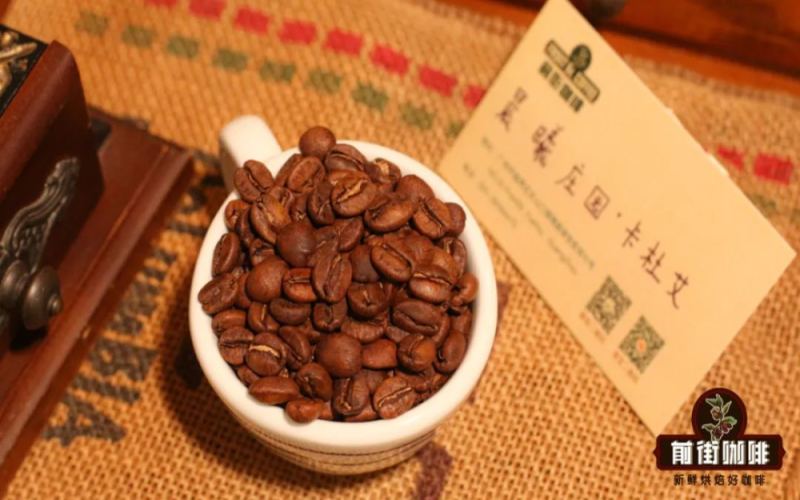
Costa Rica Dawn Estate Red Honey Catuai: Tarrazu Origin Flavor and Variety Analysis
In coffee cupping, sweetness is often the key to a higher score, and Costa Rica, with its diverse honey processing methods, has become a representative origin for high-quality sweetness. In this article, Front Street will focus on a red honey processed Catuai from Dawn Estate in the Tarrazu region of Costa Rica, breaking down everything from the estate's story, the terroir of Tarrazu, and the characteristics of the Catuai variety to the details of red honey processing. The estate is located at an altitude of 1,750 meters, surrounded by pristine green belts, and practices ecological principles through meticulous plot management. Through cupping records, we will present the sweet orange, cream, grapefruit, honey, and black tea flavors this bean displays in dry aroma and slurping, and share its flavor performance under a medium-light roast. [more…]
A Complete Guide to the World's Twelve Great Specialty Coffee Regions: The Flavor Geography from Colombia to India
The flavor code of coffee is often hidden in the land where it grows. From the Andes in South America to the highlands of Africa, from the Caribbean islands to the archipelagos of Asia, each producing region shapes an unrepeatable landscape in the cup through its unique climate, altitude, and processing methods. This article will take you on a visit to twelve globally recognized high-quality coffee origins—Colombia's balanced smoothness, Ethiopia's wild wine-like aroma, Jamaica Blue Mountain's scarce legend, Yemen Mocha's complexity and variability, as well as the distinctive personalities of Kenya, Indonesia, Hawaii, and other places. Whether you are a beginner pour-over enthusiast or a seasoned player looking for your next bag of beans, this origin guide can help you build a clearer flavor coordinate system. Front Street Coffee will also accompany you in understanding the origins while finding the cup that suits you. [more…]
How to drink Costa Rican Red Honey coffee beans? Hand-brew parameters and flavor analysis of Hacienda El Mirador Catuai
Costa Rica is renowned for its honey-processed coffee, and Hacienda El Mirador in the Tarrazú region is a prime example. This Front Street Coffee Costa Rica Hacienda El Mirador Red Honey Catuai comes from the Tarrazú region at an altitude of 1,750 meters, employs the red honey process, and showcases rich flavors of sweet orange, cream, grapefruit, honey, and black tea. This article will guide you through Hacienda El Mirador's growing background, the characteristics of the Catuai variety, and the features of the red honey process, while sharing Front Street's cupping experience and pour-over parameter recommendations to help you better brew this exceptionally sweet coffee. [more…]

A Detailed Explanation of Costa Rica's Red Honey Processing Method and a Full Analysis of Hacienda El Mirador's Cultivated Varieties
Costa Rican honey-processed coffee has long been famous for its outstanding sweetness, and Hacienda El Mirador is one of the representatives of this style. This micro-estate, located in the Tarrazú region, sits in a valley at an altitude of 1,750 meters and mainly cultivates three varieties: Catuai, Ethíopia 47, and Geisha. The red honey-processed Catuai from Hacienda El Mirador that Front Street Coffee has acquired this time is presented as a medium-light roast and, in cupping, displays rich layers of sweet orange, cream, grapefruit, honey, and black tea. This article will guide you through the specific steps of red honey processing, as well as the cultivated varieties and estate story of Hacienda El Mirador, to explore the mystery of honey-processed sweetness together. [more…]
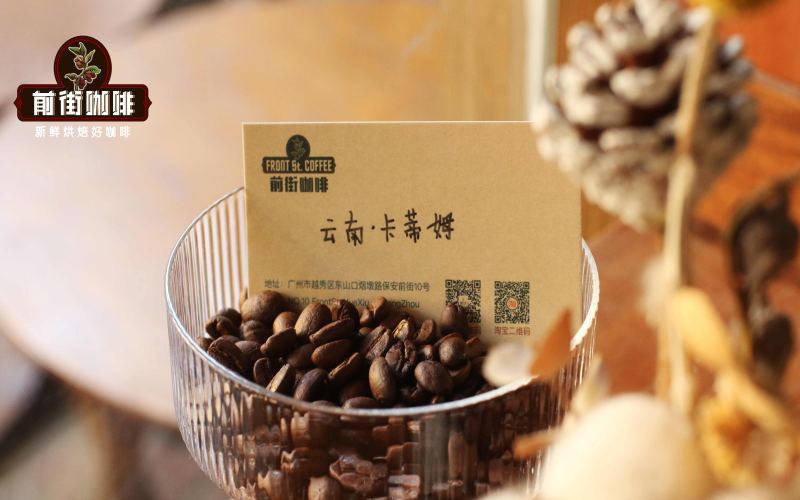
Yunnan Typica vs. Catimor Pour-Over Comparison: A Detailed Guide to Variety Characteristics, Growing Regions, and Brewing Parameters
Yunnan is China's most important coffee-producing region. Most Yunnan beans commonly found on the market are of the Catimor variety, while Typica is an old variety with a long history. This article starts with the washed Yunnan small-bean (Catimor) and the 2013 sun-dried Typica from Front Street Coffee's everyday-drinking series, systematically sorting out the origins and differences of the two major varieties, introducing the terroir characteristics of the four major producing regions of Baoshan, Dehong, Pu'er, and Lincang, and sharing the principles of the two processing methods, washed and sun-dried. On this basis, Front Street provides a pour-over recipe tailored to the balanced tonality of Yunnan coffee, including specific parameters such as a V60 dripper, 88°C water temperature, and a 1:15 coffee-to-water ratio, helping enthusiasts brew a layered cup interweaving notes of nuts, brown sugar, and plum acidity. [more…]
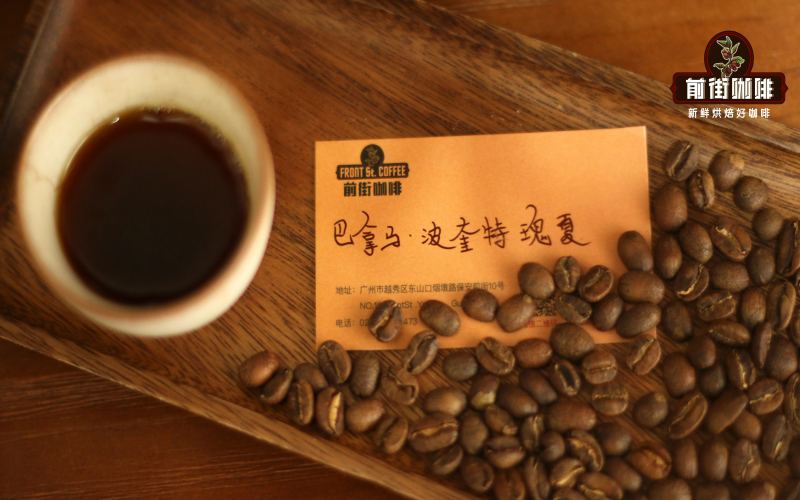
A Comprehensive Analysis of Yunnan Geisha Coffee Varieties: Cultivation Status and In-Depth Flavor Evaluation in the Baoshan and Pu'er Production Regions
In recent years, domestically grown Yunnan Geisha has gradually entered the specialty coffee market, with producing regions such as Baoshan, Pu'er, and Xishuangbanna successively introducing this legendary variety. Geisha originated in the Gesha forest of Ethiopia, then spread via Kenya and Tanzania to Costa Rica and Panama, rising to fame through its breakthrough performance at the 2004 BOP competition. Yunnan began trial-planting Geisha around 2011, mostly at altitudes between 1,300 and 1,800 meters, and due to soil and climatic conditions, its flavor profile shows a different tonality from that of Panama and Ethiopia. Starting from the origin and history of Geisha and the terroir characteristics of the two representative producing regions, Panama and Ethiopia, this article will systematically review the cultivation background, variety performance, and cupping flavors of Yunnan Geisha, and share Front Street Coffee's recommended tasting experience of Yunnan Baoshan Natural Geisha, helping coffee lovers gain a comprehensive understanding of the true quality level and flavor potential of domestic Geisha. [more…]
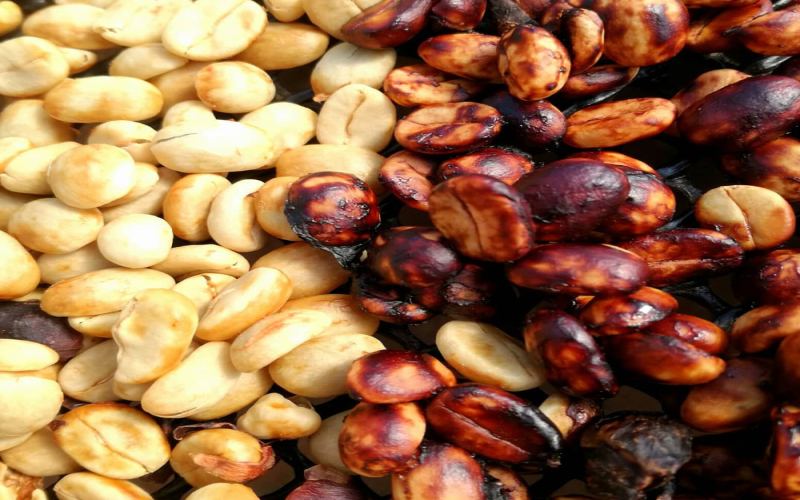
A Complete Guide to Honey Processing: The Processing Differences and Flavor Characteristics of White Honey, Red Honey, and Black Honey, with a Discussion of Costa Rica Front Street Coffee Morning Light Estate Red Honey Catuai
It's also honey processing, so why are some beans clean and bright, while others are wild like red wine? The key lies in the difference in the amount of mucilage retained and the frequency of turning. White honey is closest to washed, black honey is almost equivalent to natural, and red honey is right in between, becoming the most common honey color type on the market. This article will start with the processing method and break down the fermentation logic and flavor direction of white honey, yellow honey, red honey, and black honey one by one. Using Front Street Coffee's red honey processed Catuai from the Tarrazu region of Costa Rica as an example, it will take you from green beans and variety to cupping, so you can fully experience the sweetness and charm of honey processed coffee. [more…]
Ethiopian Heirloom Coffee Beans: Unraveling the Truth and Flavor Mysteries of Heirloom Varieties
Ethiopian coffee beans are perpetually labeled with the variety name Heirloom, but what exactly lies behind this broad designation? Why are Ethiopian beans always so inconsistent in size and so varied in flavor? This article, from the perspective of Front Street Coffee, traces the origin of the term "heirloom" and the controversies surrounding its definition, analyzes Ethiopian coffee variety classification, cultivation models, and green bean grading systems, and, through a blind tasting comparison of Front Street Sidamo Natural Arsi, reveals the true flavor differences between large and small coffee beans, helping you genuinely understand the richness and complexity of Ethiopian coffee. [more…]